Our Vision
A secured, enlightened and poverty-free society for all.
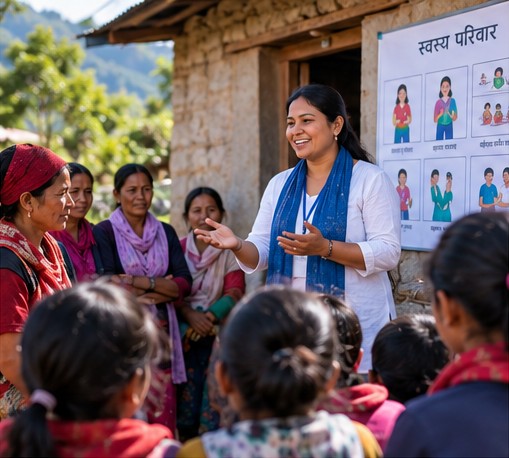
Bangladesh is a developing country. The southwestern region of Bangladesh is totally backward. Chittra Unnayan Kendra is situated in Narail district, which is at the middle southwest area of Bangladesh. Among all districts of this country Narail is mostly neglected in terms of development of the marginal people. The beautiful river Chittra flows to the south west of the district. The population of Narail is about nine lac. Agriculture is the main source of the income of local people. The socio-economic condition of the neglected poor people is worsening day by day and they are at the brink of total destruction and all the means of their development are blocked. It is leading them to unbearable human sufferings. In this backdrop some of the development conscious workers of Narail assemble together with a view to raising the common voice against all sorts of social discrimination and take decisions unanimously for the development of humanity and prosperity. Thus the decision was taken to build a peoples’ development oriented organization on the 1st January 1991. It was unanimously decided to form an organization with the name as “Chittra Unnayan Kendra”. Since then the people who are associated with this organization have been working for human development in this area. In the course of time this organization got registration from the the Social Welfare Department,the NGO Affairs Bureau and Jubo Unnoyon Odhidoptor under Bangladesh Government. Chittra Unnayan Kendra (CDC) was founded in 1991, and started its operations in Narail district. At the beginning activities were mainly awareness campaign among the indigenous ethnics, disadvantaged and under privileged groups. CDC activists performed Information Acquiring Campaign and social initiatives.
The fundamental principal of CDC is based on the hypothesis that sustainable development is closely connected with people’s participation. This connection is an emerging concept in the development world. Although the identity of a society is largely determined by its livelihood practices and culture, yet it is difficult for any society to have a static sense of the cultural which goes on simultaneously.
CDC attempts to address socio-economic, health and nitration development of underprivileged group of people. In facilitating social transformation initiatives areundertaken for advocacy and raising awareness, disseminating information at the grassroots levels, etc. by using information campaign. The development workers of CDC facilitate day observation, dialog, popular publications and traditional communication methods for development and addressing other social issues to the people.
The workers of CDC are mainly activists with extensive experience in working at the grassroots level. Over the years, they have developed the capacity to organize people at the grassroots level and an understanding about the social dynamics. In addressing social issues, they are practical, result-oriented, innovative and risk-taker. The organizational structure of CDC is not very hierarchical in nature, and has proved good team spirit. These characteristics are essential for undertaking activities in areas of socio-economic development at the grassroots level.
Chittra Unnayan Kendra (CDC) was registered as NGO in July 1994.
The field activities of CDC were started in 1991 initially with awareness building activities using day observation, dialog forum, people’s participation through folk group formation and popular publications for the grassroots poor male and female. CDC has always been implementing new activities based on the past field experiences and learning.
CDC today stands as a unique development organization with special characteristics towards contributing in mainstream development process in Bangladesh.CDC today stands as a unique development organization with special characteristics towards contributing in mainstream development process in Bangladesh.
The awareness at the grassroots level through information campaign and popular publication became well known to many in a very short period of time. The methodology of awareness campaign is using court yard meeting and popular publication. In course of very short span of time CDC developed working partnership with donors like USAID, ADB, Royal Netherlands Governments and Bangladesh Government through projects dealing on women leadership development (empowerment) at the grassroots level, climate change, environment and disaster management, reflect education and awareness, water resource management, biodiversity conservation of the Chittra river basins, reducing violence against women and gender disparity, prevention of trafficking of women and children, preventive and curative health.
CDC has the view of working for the people without going for any direct service delivery like services on health, education, relief, rehabilitation and micro-credit. CDC believes that if people are aware of their problems and go for solution with determination, they can effectively do everything at their own initiative for their own betterment and development. Development is a long-term process and calls for people’s participation in the right direction with aspirations.
The activity of CDC also encompasses the Grassroots Fish Folk Forum, a networking of developing groups in Narail district with 58 organizations as members.
A secured, enlightened and poverty-free society for all.
Improving the socio-economic and cultural status of poor and underprivileged people, emphasizing women and children, with the tools needed to bring them into mainstream society.
Received an award from Mother Teresa Foundation of Bangladesh for social service in 2011.